
The Allure of Risk and Reward
At the core of casino gaming lies the enticing blend of risk and reward, and many players find that engaging in an online casino australia enhances this experience even further. Psychological theories such as the prospect theory explain why individuals are drawn to gamble, often seeking thrills. The immediate gratification from winning, combined with the anticipation of future wins, activates the brain’s reward system, releasing dopamine and fostering a sense of pleasure. This biological response can create a powerful loop where the thrill of potential gains overshadows the reality of losses.
In addition to biological responses, the emotional aspect of risk-taking plays a crucial role. Many gamblers experience a rush of adrenaline when placing a bet, which can become addictive. This heightened emotional state can lead to poor decision-making, where the enjoyment of the risk eclipses rational thought about the consequences of gambling. Such emotions can keep players engaged, fostering a cycle of continuous play despite losses.
The environment within casinos also enhances this allure. Bright lights, sounds of slot machines, and free drinks create an immersive experience designed to lower inhibitions and heighten excitement. This sensory overload can manipulate players’ perceptions of time and money, making them feel as though they are winning more often than they truly are. Such strategic layouts and stimulations can intensify the psychological draw of casino gaming, keeping patrons coming back for more.
The Role of Superstitions and Beliefs
Superstitions play a significant role in gambling psychology, as many players develop personal rituals or beliefs that they associate with luck. Whether it’s tapping the machine a certain number of times or wearing a “lucky” item of clothing, these behaviors can instill a sense of control and confidence. This phenomenon can be explained by the psychological concept of illusory control, where individuals believe they can influence outcomes in random events, further solidifying their attachment to gambling.
Moreover, casinos often capitalize on these superstitions to enhance the gaming experience. The use of symbols like lucky numbers or the presence of certain colors can influence player choices and behaviors. For instance, the number seven is commonly associated with good luck in many cultures, making it a frequent choice among gamblers. As players engage in these rituals, they invest more emotionally and psychologically in their gaming experience, often leading to longer playtimes.
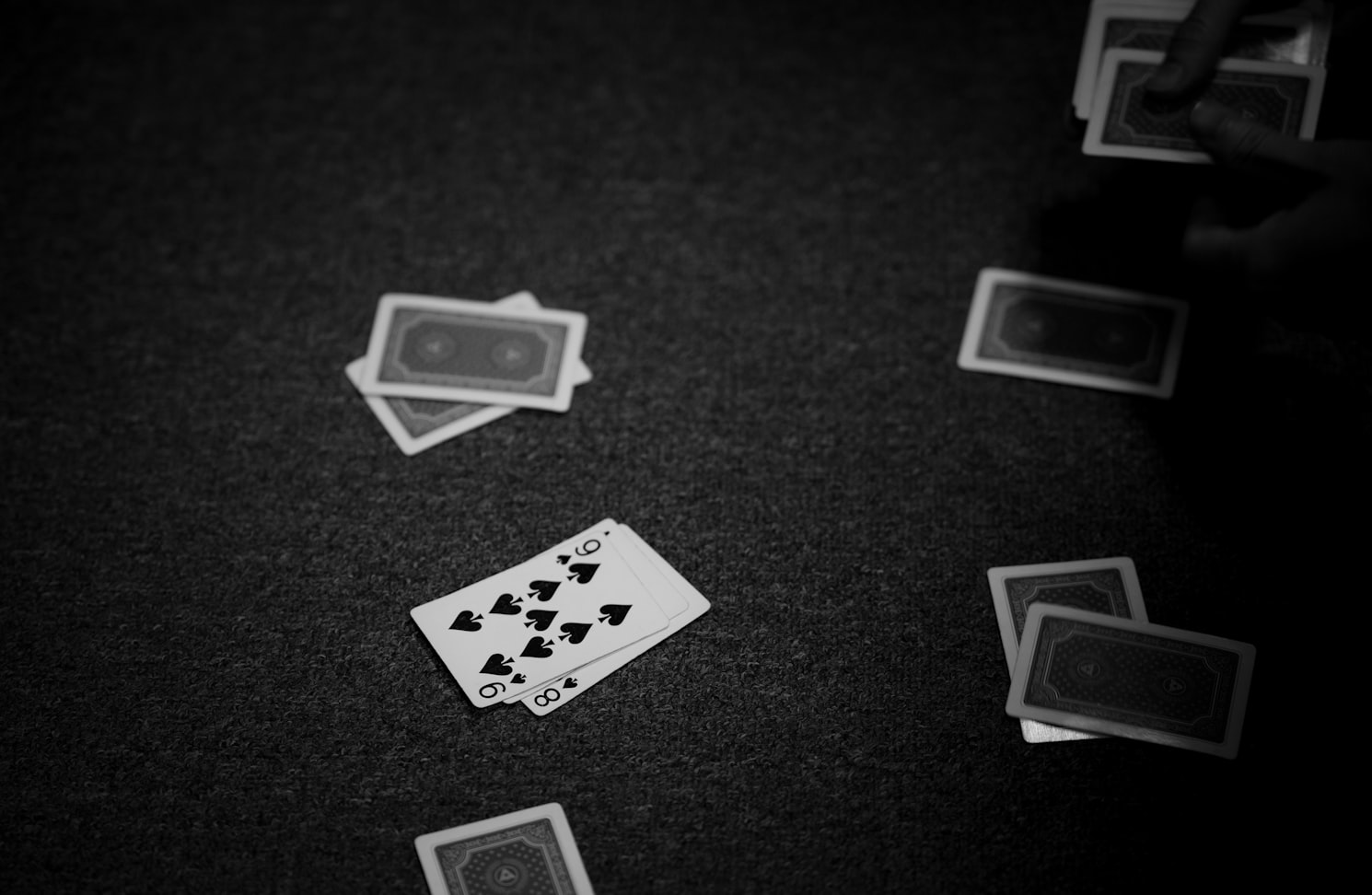
Interestingly, casinos themselves can perpetuate these beliefs. By providing rewards or bonuses that align with players’ superstitions, they reinforce the idea that luck is a factor in winning. This manipulation can lead players to chase their losses, convinced that their luck will eventually turn, resulting in a potentially dangerous cycle. Understanding these superstitions not only reveals the depth of human psychology but also highlights the complex relationship between belief and behavior in gambling.
Addiction and Compulsive Behavior
Gambling addiction is a serious concern that stems from the psychological factors associated with risk and reward. Many individuals are drawn into compulsive gambling due to an underlying need for escapism or relief from stress. The thrill of the game can temporarily distract from personal problems, leading to a cycle of use where the individual feels compelled to return to the casino despite negative consequences. Behavioral addiction theories suggest that the brain’s reward circuitry becomes dysregulated, further entrenching habits.
The signs of gambling addiction can manifest in various ways, including increased time spent in casinos and neglecting responsibilities. Often, individuals will experience emotional highs when winning and profound lows when losing, leading to mood swings that can affect their social and personal lives. The compulsive need to chase losses is a hallmark of this addiction, where players stake larger amounts in the hope of recapturing earlier victories, often resulting in greater financial and emotional distress.
Interventions for gambling addiction typically involve therapeutic approaches, such as cognitive-behavioral therapy, which aims to change the thought patterns that support compulsive behavior. Support groups can also provide a sense of community and understanding, helping individuals recognize their addiction and seek healthier coping mechanisms. As society becomes increasingly aware of gambling addiction, fostering open discussions and promoting responsible gambling practices is essential in addressing this serious issue.
The Influence of Marketing and Promotions
Marketing strategies employed by casinos are designed to attract and retain customers by leveraging psychological principles. The use of promotional offers, such as “free play” or bonuses for new players, creates an enticing incentive to gamble. These marketing tactics exploit the psychological principle of scarcity, where limited-time offers trigger urgency, prompting players to act quickly. This can lead to impulsive decisions, increasing the likelihood of players spending more time and money in the casino.

The portrayal of gambling in media, such as movies and advertisements, also shapes public perception and can glamorize the gaming experience. These representations often focus on the excitement and lavish lifestyles associated with gambling, which can create unrealistic expectations among potential players. The idea that one could achieve instant wealth can attract new players who may not fully comprehend the risks involved, showing how deeply ingrained psychological influences can affect gambling behaviors.
Furthermore, casinos invest in ensuring their environments are conducive to prolonged engagement. With attractive interior designs, complimentary services, and the absence of clocks, players are often disoriented regarding the passage of time. This carefully crafted ambiance can lead customers to stay longer and gamble more. Understanding these marketing strategies helps illuminate the broader implications of gambling psychology and the responsibility of casinos in promoting healthy gambling practices.
Understanding Gambling Psychology on Relevant Platforms
Understanding the psychology behind casino gaming is not only essential for players but also for those involved in the industry and policy-making. Comprehensive research into gambling behaviors helps identify at-risk individuals and fosters the development of responsible gambling initiatives. Moreover, educational resources can provide insight into the psychological mechanisms that drive individuals to gamble, aiding prevention efforts for problematic behaviors.
Various platforms and institutions are beginning to explore the intersection of psychology and gaming, offering valuable insights into human behavior. These resources demonstrate how awareness and education can empower individuals to make informed decisions about their gambling habits. The more we delve into the psychology of gambling, the better equipped we become to recognize the signs of addiction and provide support to those in need.
Additionally, dedicated websites focused on gambling education and awareness are crucial in spreading knowledge about responsible gambling practices. With a focus on psychological insights and the emotional aspects of gaming, these platforms can provide resources for self-assessment and coping strategies for those struggling with gambling-related issues. As discussions around gambling psychology grow, these sites will play a significant role in promoting a healthier approach to gaming culture, ensuring the well-being of individuals involved in the gaming experience.